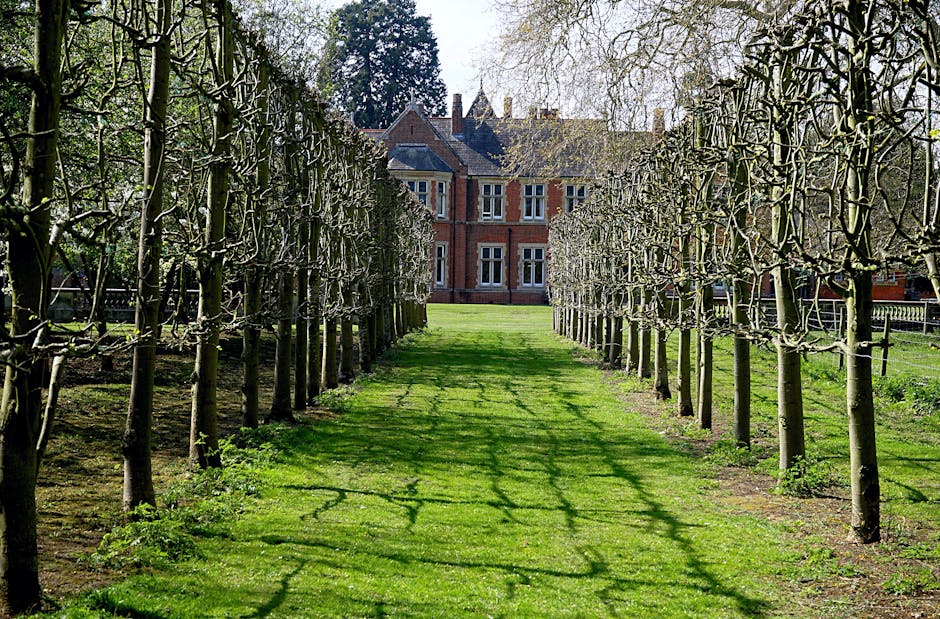
Langtons House gardeners specialist care for historic gardens
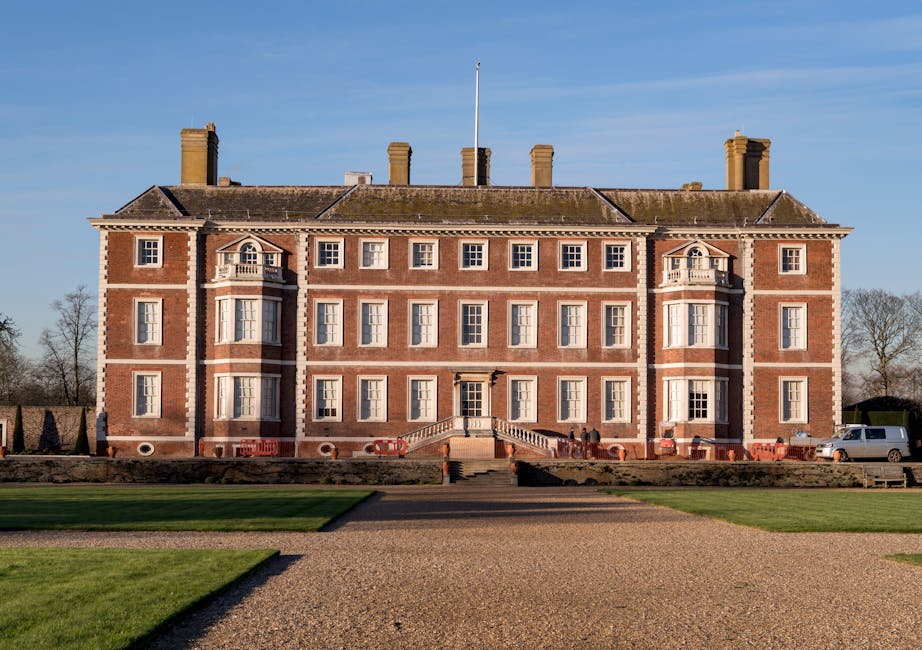
Historic gardens are a bit like living archives. They change with the seasons, of course, but they also carry memory in the layout, the planting, the paths, the old walls, and even the tired patches where roots have quietly fought for space for decades. That is why Langtons House gardeners specialist care for historic gardens needs more than ordinary maintenance. It calls for judgement, patience, and a proper feel for how older landscapes behave when weather, visitors, and time all have their say.
If you are responsible for a period garden, a heritage-style outdoor space, or simply a mature garden with structural planting and established features, the real challenge is balance. You want neatness, but not at the cost of authenticity. You want improvement, but not the kind that erases character. In this guide, we will look at how specialist historic garden care works, what it protects, who it suits, and what good practice actually looks like on the ground.
Why Langtons House gardeners specialist care for historic gardens Matters
Historic gardens are not just bigger versions of modern domestic gardens. They often have layered planting, ageing trees, older soil structures, drainage quirks, and original design intentions that still matter. A hedge that looks "overgrown" to one person may actually be shaping a historic sightline. A mossy path may be a drainage issue, yes, but it might also be a surface that needs careful restoration rather than a heavy-handed replacement.
That is where specialist care earns its keep. It is not about fussiness for the sake of it. It is about understanding that every cut, lift, replant, and tidy-up can change the character of the space. The wrong approach can flatten a garden's personality in a single afternoon. A good approach preserves scale, texture, and rhythm while keeping the space healthy and usable.
In practice, historic garden care matters because older gardens tend to be more vulnerable to cumulative damage. Repeated compacting on the same route, inappropriate pruning, poor soil management, and unchecked self-seeding can slowly alter the garden beyond recognition. And once that shift happens, getting the original feel back is harder than people expect. Truth be told, it is often a slow problem, not a dramatic one.
For properties with heritage value, or for homeowners who simply want to honour the age of their garden, that makes regular specialist attention a sensible investment rather than a luxury.
How Langtons House gardeners specialist care for historic gardens Works
Specialist historic garden care usually starts with observation. Proper observation, not a quick glance. The gardener looks at structure, plant health, access routes, soil condition, light levels, shade patterns, water movement, and the relationship between hard landscaping and soft planting. In older gardens, these elements are tightly connected, so you cannot treat one bit in isolation and expect the rest to behave.
The next step is usually prioritisation. Not every issue needs a dramatic intervention. Some areas need immediate stabilising, such as unsafe branches or invasive growth. Others need a lighter touch: selective deadheading, sympathetic pruning, bed edging, or soil recovery. With heritage spaces, restraint is often the smart move. A garden that has aged well is rarely one that has been "fixed" too aggressively.
From there, work is generally done in seasonal cycles. Spring might focus on recovery, mulching, and controlled shaping. Summer often needs monitoring, watering support, and selective trimming. Autumn is useful for leaf management, soil conditioning, and preparing borders for winter. Winter care is about protection, structural checks, and avoiding compaction when conditions are wet or frozen. If that sounds methodical, that is because it is.
Good historic garden care also involves communication. You will normally want a gardener who explains why a particular shrub should be reduced in stages, why a wilder corner is being left alone for now, or why a soil improvement plan should happen over months rather than all at once. This kind of calm explanation saves a lot of worry, honestly.
Key Benefits and Practical Advantages
There are obvious benefits, and there are the quieter ones that people notice after a few months. The obvious one is appearance. Specialist care keeps the garden looking orderly without stripping away its established charm. But the practical gains go deeper than that.
- Preservation of character: careful pruning and planting protect the original feel of the garden.
- Healthier mature planting: trees, hedges, climbers, and perennials respond better to informed maintenance.
- Better long-term structure: borders, paths, and lawn edges stay coherent instead of drifting into chaos.
- Reduced risk of damage: invasive growth, hidden decay, and weak branches can be spotted earlier.
- More manageable upkeep: regular light care is usually easier than major restoration later.
There is also a practical comfort factor. When a historic garden is handled well, it tends to feel calmer to be in. You notice the sound of clipped foliage, the cleaner line of a path, the way a view opens up again after careful pruning. Small things, but they matter. They change how the space feels when you step outside with a mug of tea on a grey morning and think, yes, this is working again.
For gardens with mixed use, specialist care can also help the property function better. A family may want a safe lawn area, a quieter seating spot, and planted structure that still respects the age of the setting. That can be achieved, but only if the gardener treats the garden as both living heritage and everyday outdoor space.
Who This Is For and When It Makes Sense
This kind of care suits anyone responsible for a historic, mature, or design-led garden where the planting and layout are part of the property's value. That could mean a listed property, a period home, a former estate garden, or even a private garden that simply has old bones and needs more than routine mowing.
It is especially relevant if your garden has any of the following:
- mature hedges or clipped screens that define the layout
- established trees needing sensitive management
- old walls, terraces, or edging that require careful work around roots
- heritage-style borders with long-lived shrubs and perennials
- areas where ivy, bramble, or self-seeded growth has become aggressive
- paths and lawns that have become uneven or overly compacted
It makes sense when you are trying to recover a garden that has drifted, or when you want to avoid drifting in the first place. A lot of people wait until the garden looks tired and then ask for a rescue job. That can work, but prevention is better. Much better.
If you are unsure whether the space needs specialist attention or standard upkeep, compare the job to a house renovation. If it involves heritage features, hidden damage, and careful sequencing, you are already in specialist territory. If it is simply a weekly tidy, maybe not. The distinction is helpful.
For broader support across outdoor spaces, some readers also look at regular garden maintenance alongside selective heritage care, especially where one part of the garden needs structure and another part just needs consistent attention.
Step-by-Step Guidance
A sensible process keeps the work measured and avoids the classic mistake of doing too much too fast. Here is a practical way specialist historic garden care is often approached.
- Survey the garden thoroughly. Look at planting, hard surfaces, drainage, access, shade, exposure, and any obvious signs of stress or decline.
- Identify what must be preserved. This may include mature specimen trees, historic hedging, old roses, stone edges, or original sightlines.
- Separate urgent work from restorative work. Safety issues and invasive growth come first; decorative refinement can follow later.
- Prune and clear with restraint. Make selective cuts rather than broad, aggressive reductions.
- Restore soil condition. Add organic matter carefully, improve mulch layers, and avoid overworking compacted ground.
- Rebalance planting. Replace failed specimens with appropriate plants that suit the age, style, and conditions of the garden.
- Review seasonal needs. Change the plan as the year progresses instead of applying one fixed routine everywhere.
A small but important point: older gardens often reward patience. If a border looks thin in March, it may not need a full rework. It may need a season of correction, one plant at a time. That slower mindset can be frustrating for people who want instant results, but it usually gives better outcomes.
Where new structure is needed, options like fast-growing hedges for private spaces can be useful in the right setting, though in historic gardens they should be chosen carefully so they do not overpower existing features.
Expert Tips for Better Results
There are a few habits that separate decent historic garden care from genuinely good care. They are not glamorous. They just work.
- Work with the garden's age, not against it. If a tree has grown into its place over decades, trim for health and shape, not for symmetry alone.
- Keep heavy machinery to a minimum where possible. Compaction is a real issue around mature roots and older borders.
- Use phased pruning. This is especially important for older shrubs and climbers that would sulk if cut too hard in one go.
- Watch the ground, not just the plants. Soil condition tells you a lot about how the garden is coping.
- Leave room for seasonal variation. Some historic gardens look their best when they are not "perfectly" neat all year round.
One simple rule we like: if a change would make the garden feel noticeably younger, sharper, or more modern, pause and think again. That is not always wrong, but it needs a proper reason.
For hedges, form matters as much as control. If you are interested in shaped edges or more precise outlines, creative hedge trimming techniques can inspire a more considered look, though in heritage settings the aim is usually elegance rather than novelty.
And if the garden is suffering from intrusive climbers, removing ivy properly can protect masonry, fences, and older trunks without turning the place into a bare shell.
Common Mistakes to Avoid
Most problems in historic garden care come from enthusiasm without context. That sounds harsh, but it is often true. People want improvement, so they simplify. The trouble is that older gardens rarely like simplification.
- Over-pruning mature plants: it can expose wounds, reduce flowering, and spoil the shape for seasons.
- Replacing too much at once: if you remove too many old plants, the garden can lose its depth and sense of age.
- Ignoring drainage issues: soggy borders and compacted paths can undermine everything else.
- Using generic planting schemes: a historic garden needs plants that fit its scale and light conditions, not just whatever is trendy.
- Skimping on aftercare: new work still needs monitoring, especially in the first few months.
Another common slip is to treat all mess as neglect. A slightly untidy herbaceous border or a wilder edge can be entirely appropriate in a living historic garden. Context matters. A lot.
If weeds are a recurring issue, focused control is worth more than repeated surface tidying. You may find this practical guide on dominating weeds helpful when planning a broader maintenance routine.
Tools, Resources and Recommendations
Specialist historic garden work depends on using the right tools for the right task, and not forcing one method across every part of the garden. A fine pruning saw, bypass secateurs, loppers, edging tools, soil testers, and proper protective equipment all have their place. The exact kit depends on the site, but clean cuts and careful handling matter more than flashy gear.
If you are planning work yourself, or just trying to understand what a professional team may bring to the job, it helps to think in categories:
| Need | Useful approach | Why it helps in historic gardens |
|---|---|---|
| Selective pruning | Hand tools and measured cuts | Protects plant shape and avoids harsh visual scars |
| Soil recovery | Organic matter, mulch, careful aeration | Improves root health without disturbing aged planting too much |
| Boundary control | Sympathetic hedge management and targeted clearance | Keeps structure visible while retaining character |
| Weather protection | Stake checks, winter prep, wind management | Reduces stress on mature specimens and vulnerable stems |
Resources are not only about tools. Good records help too. A simple note of what was cut, when, and why can save confusion later. Historic gardens benefit from memory, and memory is easier when it is written down. Nothing fancy. Just a notebook, or a tidy service log.
For practical setup ideas outside the heritage core, the guide to gardening tools every gardener needs gives a clear overview of the basics, while professional gardening services can help if the job spreads beyond routine upkeep.
If you want a more tailored discussion about a specific space, you can always start with the team at about us and then move into practical planning from there.
Law, Compliance, Standards, or Best Practice
Historic gardens can sit alongside a range of planning, conservation, safety, and property considerations. Not every garden is subject to the same formal obligations, but good practice is still essential. If a site is associated with heritage value, older structures, protected trees, or sensitive surfaces, then the work should be planned with care and, where needed, checked against relevant local requirements.
In the UK, it is wise to think in terms of responsible stewardship. That means avoiding unnecessary harm, respecting tree health, managing waste properly, and keeping the site safe for those who use it. For work near trees, or where roots and canopies are involved, professional judgement matters a great deal. For larger interventions, it is sensible to discuss the scope before anything is cut back or removed.
Health and safety is also part of the picture. Older gardens can hide trip hazards, unstable edging, slippery moss, or awkward access routes. Teams should work methodically and keep the site tidy enough to reduce risk. If you are comparing providers, it is fair to ask how they manage safety, insurance, and the protection of the property while they work.
Two useful references for decision-making are the company's health and safety policy and insurance and safety information. You do not need to be a solicitor to appreciate why that matters. A tidy hedge is nice; a safe job is nicer.
For anything involving budgets, timing, or scope, it is also worth reviewing pricing and quotes so you can judge whether a proposed programme fits your expectations before work begins.
Options, Methods, or Comparison Table
Not every historic garden needs the same level of intervention. Some need light-touch preservation. Others need a phased recovery plan. The right choice depends on condition, budget, and how much of the original character remains intact.
| Approach | Best for | Strengths | Limitations |
|---|---|---|---|
| Routine maintenance | Established gardens in decent condition | Affordable, steady, low disruption | May not solve deeper structural or heritage issues |
| Specialist preservation | Historic gardens needing careful handling | Protects character and avoids overwork | Usually slower and more dependent on judgement |
| Restoration-led care | Overgrown or neglected heritage spaces | Can recover form, visibility, and plant health | Needs planning, patience, and phased action |
| Hybrid approach | Gardens with both heritage and family-use needs | Flexible and practical | Requires clear priorities to avoid muddled results |
In many real gardens, the best answer is a hybrid one. Keep what is working, restore what has drifted, and simplify only where simplification genuinely helps. That sounds obvious, but it is surprisingly easy to get wrong once people start talking about "tidying" everything.
If a garden is overrun, a gentler reset can be more effective than a full strip-out. The article on reviving a neglected garden is useful context for that sort of recovery work.
Case Study or Real-World Example
Imagine a mature garden behind a period property with a clipped boundary hedge, a few ageing shrubs, a lawn that has thinned near the main path, and a border full of plants that have started leaning into one another. Nothing dramatic. Just a garden that has quietly lost its balance over a few seasons.
A specialist approach would not begin with a big clear-out. It would start with identifying the key lines of the garden: the boundary, the main path, the focal points, and the plants that still define the character of the space. The hedge might be lifted and shaped lightly, not cut into a rigid modern box. The lawn edges would be redefined. Any ivy climbing where it should not be would be controlled, but not every self-set plant would be treated as a problem.
Then the soil would be improved, perhaps with compost and mulch, and the border rebalanced with a few carefully chosen replacements. The result is not a new garden. That is the point. It feels like the same place, only clearer and healthier. A bit more breathing room, a bit less confusion. You notice it most when you step out in the morning and the whole space seems to settle around you.
That is the real value of specialist historic garden care: it restores confidence without erasing history.
Practical Checklist
Use this quick checklist if you are planning work on a historic or heritage-style garden.
- Identify the garden's key historic or design features before starting any work.
- Check for mature trees, old walls, fragile edging, or established root systems.
- Decide which elements must be preserved and which can be improved.
- Prioritise safety issues, invasive growth, and obvious plant stress.
- Choose selective pruning over heavy cutting whenever possible.
- Avoid compacting soil around older planting and tree roots.
- Plan seasonal work rather than trying to complete everything at once.
- Keep records of major changes, especially in phased restoration projects.
- Review safety, insurance, and pricing before committing to larger jobs.
- Allow the garden time to recover after each stage of work.
And one more thing: if the garden looks slightly better, but still a little unfinished, that is often a good sign. Historic gardens do not need to look freshly manufactured. They need to look cared for.
Get a free quote today and see how much you can save.
Conclusion
Historic gardens ask for more than standard upkeep because they carry more than plants. They carry proportion, memory, and a sense of place. That is why Langtons House gardeners specialist care for historic gardens is best understood as a preservation-minded service, not just a tidy-up. The aim is to keep the garden healthy, legible, and beautiful without sanding away the very details that make it special.
Whether you are restoring a neglected border, managing mature hedging, or simply trying to protect a well-loved outdoor space from slow decline, the right approach is measured, seasonal, and respectful. Keep the structure. Honour the age. Work with the garden, not against it. That usually leads to the best result, and to be fair, the most satisfying one too.
If you want your garden to keep its soul while becoming easier to live with, that is absolutely achievable. One thoughtful cut at a time.
Frequently Asked Questions
What does specialist care for historic gardens actually include?
It usually includes careful pruning, border management, soil improvement, hedge and tree attention, invasive plant control, and maintenance that respects the garden's original style and structure.
How is historic garden care different from standard garden maintenance?
Standard maintenance focuses on keeping a garden neat and functional. Historic garden care adds preservation, restraint, and an understanding of how older planting and features should be handled.
Do historic gardens always need formal restoration work?
No. Some only need regular specialist maintenance. Restoration is usually reserved for gardens that have become overgrown, unbalanced, or structurally tired.
Can mature trees and hedges be reshaped safely?
Yes, but they should be handled carefully and often in stages. Over-pruning can damage the plant and change the feel of the garden, so patience matters.
What is the biggest risk of poor historic garden care?
The biggest risk is losing the garden's character through over-cleaning, heavy cutting, unsuitable planting, or soil damage around established roots.
How often should a historic garden be reviewed?
Seasonal reviews are sensible, with more frequent checks after severe weather, periods of fast growth, or any major changes to the space.
Is ivy always bad in an old garden?
Not always. Ivy can be useful in some settings, but it becomes a problem when it threatens masonry, trees, fences, or other important features. Context is everything.
What should I ask before hiring someone for specialist garden care?
Ask how they approach preservation, what experience they have with mature planting, how they handle safety, whether they work in phases, and how they plan to protect the garden's character.
Can a neglected historic garden be brought back without starting from scratch?
Usually yes. Many neglected gardens respond well to phased recovery, where the worst issues are handled first and the rest is improved over time.
Are there legal concerns with work on older or heritage-style gardens?
There can be, especially where protected trees, listed features, or conservation concerns are involved. It is wise to check carefully before making major changes.
What is the best season for starting specialist work?
That depends on the garden and the task. Spring and autumn are common starting points, but urgent safety or invasive-growth issues can be tackled when needed, weather permitting.
How do I know if my garden is more heritage-led than ordinary?
If the layout, mature planting, old boundaries, or original design features are part of what gives the garden its identity, it probably needs heritage-minded care rather than routine treatment.
Where should I begin if I am unsure what my garden needs?
Start with a proper assessment of the space, make notes on what you want to protect, and speak to a specialist who understands mature and historic gardens. A calm first conversation often clears up a lot.