Hornchurch Station garden maintenance guide for busy flats
If you live in a flat near Hornchurch Station, keeping outdoor space neat can feel like one more job on an already full list. A balcony, shared courtyard, front strip, or small communal planter can slip from tidy to tired surprisingly fast. The good news? With the right approach, the Hornchurch Station garden maintenance guide for busy flats can be simple, realistic, and even a little enjoyable. You do not need a huge weekend block or a professional horticulture degree. You need a sensible routine, a few low-effort plant choices, and a maintenance plan that fits how people actually live.
This guide focuses on what busy flat owners, tenants, and managing agents really need: compact maintenance routines, climate-aware planting, fast fixes for the most common problems, and ways to keep things looking cared-for without turning gardening into another chore. Truth be told, the best flat gardens are rarely the fanciest ones. They are the ones that stay consistently looked after.
Table of Contents
- Why Hornchurch Station garden maintenance guide for busy flats Matters
- How Hornchurch Station garden maintenance guide for busy flats Works
- Key Benefits and Practical Advantages
- Who This Is For and When It Makes Sense
- Step-by-Step Guidance
- Expert Tips for Better Results
- Common Mistakes to Avoid
- Tools, Resources and Recommendations
- Law, Compliance, Standards, or Best Practice
- Options, Methods, or Comparison Table
- Case Study or Real-World Example
- Practical Checklist
- Conclusion
- Frequently Asked Questions
Why Hornchurch Station garden maintenance guide for busy flats Matters
Flat gardens are different from traditional house gardens. Space is tighter, access is less convenient, and the margin for neglect is smaller. A few wet weeks, a missed prune, or one over-enthusiastic climber can quickly make a balcony or communal edge look cluttered. Near Hornchurch Station, where people are often balancing commuting, family life, work shifts, and the usual London pace, that matters.
A well-kept outdoor area does more than look nice. It makes shared living feel calmer. It reduces complaints between neighbours. It helps prevent problems such as blocked drains, nuisance weeds, overspilling planters, or climbing plants creeping into places they should not. And, perhaps most importantly, it saves time later. Small, regular care is much easier than a big rescue job in late summer when everything has gone a bit wild.
For flats, maintenance is also about practicality. You may not have storage for heavy tools, water butts, or a full shed setup. You may have to work around access windows, shared responsibility, or a building manager's requirements. So the goal is not perfection. The goal is a tidy, resilient, low-stress system that keeps the space usable all year.
If the garden area is shared, even more so. People tend to notice what is messy, not what is quietly working in the background. A simple plan keeps the space pleasant and avoids the classic "someone else will sort it" problem. We have all seen how that ends.
How Hornchurch Station garden maintenance guide for busy flats Works
The best maintenance system for flats is built around three ideas: reduce the workload, spread the work, and choose plants and materials that forgive the occasional missed week. That means less lawn, fewer thirsty borders, and more structure from containers, evergreen plants, gravel, or low-growth ground cover.
In practice, the process usually works like this:
- Assess the space - Note light levels, wind exposure, access, drainage, and whether the area is private or shared.
- Cut down the maintenance load - Remove problem plants, reduce lawn areas if possible, and replace high-effort features with easier ones.
- Build a simple routine - Water, deadhead, weed, trim, and sweep on a fixed schedule rather than waiting for problems.
- Use compact, resilient planting - Containers, climbers, and ground cover can do a lot of visual heavy lifting.
- Review seasonally - A ten-minute monthly review is often enough to catch issues before they get annoying.
That is the real heart of it. Not more work. Smarter work. For many busy residents, especially in flats near rail links and busy roads, the space benefits from predictable routines rather than ambitious plans that never quite happen.
One small but useful mindset shift: do not treat every corner as a garden bed. Some areas are better served as hard surfaces, containers, or decorative screening. If you're trying to force a full cottage garden into a tiny flat courtyard, you'll end up fighting it every season.
Key Benefits and Practical Advantages
The benefits of a well-run flat garden routine are both obvious and subtle. Yes, it looks better. But there is more going on than appearance.
- Less stress: A tidy outdoor area feels easier to live with, especially if you step outside to drink tea, take a call, or clear your head after work.
- Lower long-term costs: Catching weeds, ivy, drainage issues, or overgrowth early is far cheaper than dealing with a full clear-up.
- Better use of limited space: Compact planting and vertical features make small spaces feel deliberate instead of cramped.
- Improved neighbour relations: Shared spaces tend to work better when everyone can see they are being looked after.
- More seasonal interest: Even a small balcony can look good across the year with the right mix of evergreens, flowers, and structure.
- Greater property appeal: A cared-for outdoor space subtly lifts the feel of the whole flat, especially when viewed from inside.
There is also a psychological benefit that people often underestimate. A small, neat green space gives your brain a place to land. The sound of leaves, the smell of damp soil after rain, a bit of order at the edge of the day - it all helps. Sounds a bit grand, maybe, but you notice it when it is gone.
For low-maintenance households, the best results often come from combining practical planting with a bit of structure. If you want ideas that stay affordable and manageable, it is worth looking at low-maintenance budget garden ideas as part of your planning.
Who This Is For and When It Makes Sense
This guide is for anyone responsible for a small outdoor space who does not have endless time. That includes private flat owners, tenants with balcony planters, landlords managing smaller communal areas, and block managers trying to keep things orderly without constant intervention.
It makes sense if your space has one or more of these traits:
- limited storage for equipment
- shared access or communal use
- wind exposure between buildings
- patchy sun or shade depending on the time of day
- containers that dry out quickly
- plants that keep outgrowing the space
- regular weed growth in paving or edges
It also makes sense if you know you will forget jobs unless they are easy. That is not laziness. That is normal life. Busy flats need realistic systems, not a moral lecture about pruning schedules. If your maintenance routine needs a spreadsheet just to survive, it is probably too complicated.
There is one more group that benefits hugely: people trying to make a small outside area pet-friendly or child-friendly. In those cases, the right planting and layout matter a great deal. A quick read on gardening with pets in mind can help if your space must be safe as well as attractive.
Step-by-Step Guidance
Here is a practical, repeatable approach that works well for busy flat gardens and balconies.
1. Start with a reset
Begin by removing the obvious clutter. Dead plants, cracked pots, broken trellis pieces, collapsed canes, and old compost bags all make a small space feel more demanding than it is. Sweep leaves and debris out of corners. Check whether anything is blocking drains or scuppers. A 20-minute tidy often reveals that the space is less hopeless than it looked at first glance.
2. Group plants by need
Put thirstier pots together so watering is efficient. Keep shade-loving plants out of direct afternoon sun. Move any tired-looking specimens where they get the light they actually need. In container gardens, plant position matters more than people expect. A plant in the wrong place can look "difficult" when really it is just uncomfortable.
3. Reduce the number of high-maintenance features
Every extra feature has a maintenance cost. Open soil beds invite weeds. Small lawns need edging and mowing. Fast climbers need training. If you do not have the time, simplify. Use more hard landscaping, more containers, and more evergreen structure. A good example is using a handful of robust containers with ground cover plant ideas to soften the edges instead of trying to manage a complicated border.
4. Build a weekly five-minute routine
Do not aim for a "garden day" every month if your diary never allows it. Instead, attach one small task to a regular moment. Monday evening water the pots. Wednesday check for weeds. Saturday morning sweep the balcony. Tiny, predictable tasks are much more sustainable than heroic bursts.
5. Prune for shape, not just control
For busy flats, pruning should do two things: stop plants becoming awkward, and keep them looking intentional. If you are dealing with hedges, climbers, or screening shrubs, neat structure matters because it affects both sunlight and privacy. If that sounds familiar, our piece on creative hedge trimming techniques has useful ideas for shaping without overcomplicating the job.
6. Refresh the soil and compost
Pots get tired. Soil compacts. Nutrients wash out. A top-up of compost or a simple soil refresh can make a surprising difference to plant health and appearance. If you compost garden waste or use organic material carefully, you can stretch the life of your containers and cut down on waste. For a practical overview, see how to convert garden waste into better soil.
7. Plan for the next season before the current one ends
Do not wait until a plant has failed to think about replacement. Late spring and early autumn are good times to review what worked and what did not. If a pot constantly dries out, replace the plant or the pot. If one corner always gets blasted by wind, choose a tougher species or a screen. Small decisions now save a lot of muttering later.
Expert Tips for Better Results
The easiest way to keep a flat garden low-maintenance is to be a little ruthless at the start. That sounds harsh, but it is honest. Choose plants and materials that are willing to cooperate.
- Use evergreen structure: One or two evergreens keep the space from looking bare in winter.
- Choose drought-tolerant containers: Terracotta looks lovely, but it can dry faster than you expect.
- Make watering easier: Group pots by water need and avoid spreading them all over the place.
- Keep a "problem pot" rule: If a plant fails twice in the same spot, change the spot or the plant.
- Use climbers carefully: They are brilliant for privacy, but they must be managed or they can become a nuisance.
- Go for visible wins: One clean edge or one freshly planted container can change the whole feel of the space.
A useful trick for busy households is to anchor the garden around one focal point. It might be a bench, a table, or even a single large planter. Once that centrepiece is in place, the rest of the maintenance feels more purposeful. Less random. Less "where do we even start?"
For privacy without a full rebuild, fast-growing hedges or climbers can help, but only if the site suits them. Read fast-growing hedges for private spaces and evergreen climbers for shade before you commit.
And if your flat garden gets battered by wind between buildings, you are not imagining it. The channel effect in tight spaces can be nasty. A bit of screening or planting strategy really does help. There is a practical breakdown in shielding gardens from harsh winds.
Common Mistakes to Avoid
Most maintenance problems in flat gardens come from a few predictable mistakes. The good news is they are easy to avoid once you know what to look for.
- Overplanting: Too many pots or shrubs make a small area feel crowded and harder to care for.
- Choosing thirsty plants: If you are rarely home, high-water plants will become a headache.
- Ignoring drainage: Flat gardens often reveal water problems quickly. Soggy planters or blocked outlets are not minor issues.
- Letting ivy or climbers run wild: They can look lovely until they start pulling at surfaces or hiding damage. If you have an ivy issue, it is better to tackle it early; see eradicating ivy properly.
- Relying on memory: If maintenance depends on you remembering everything, it will eventually slide.
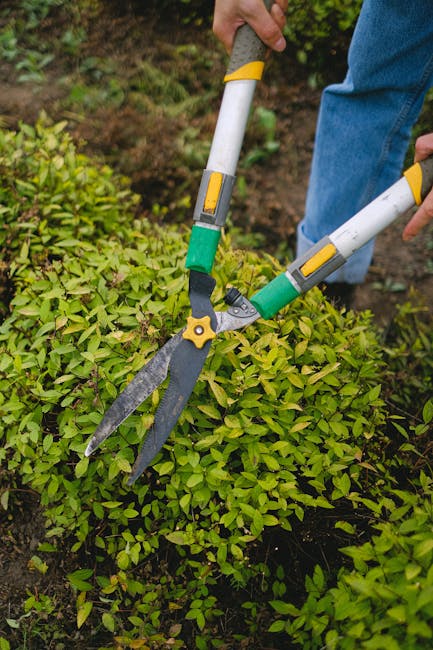
- Using the wrong tool for a quick job: It sounds small, but a blunt pair of shears turns a five-minute task into a chore.
Another common mistake is trying to do too much at once. A balcony makeover can be exciting, especially after a long winter, but if you fill every corner in one go you may also build yourself a maintenance burden. Better to layer the space gradually. Your future self will thank you. Probably with less sighing.
If the space has gotten away from you already, that is still fixable. A measured clear-up followed by a simpler plan is often more effective than ripping everything out in frustration. For a fresh-start approach, bringing life back to a neglected garden is a useful mindset.
Tools, Resources and Recommendations
You do not need a van full of equipment to keep a flat garden in shape. A modest, well-chosen kit is enough.
- Hand trowel: for planting and small weed removal
- Lightweight secateurs: for trimming stems, deadheading, and quick corrections
- Small watering can or hose attachment: depending on access
- Brush or compact broom: for leaves, gravel, and paving
- Gloves with a good grip: especially for pruning and tidying thorny plants
- Bucket or trug: for collecting cuttings without endless trips
- Plant labels or a simple note system: helpful when several containers look similar
For practical know-how, the site's guide on the tools every gardener needs is a sensible starting point. If your flat garden is mostly containers, container gardening basics is also worth a look.
Some spaces also benefit from vertical planting. Wall-mounted planters, trellis systems, and tiered stands can add planting without eating up floor area. That matters in flats where every square foot is doing a job. You can explore the approach in vertical gardening for urban spaces.
And if you want the whole space to feel calmer rather than busier, a few design principles from zen-inspired landscaping can help you keep the layout simple and restful.
Law, Compliance, Standards, or Best Practice
For flat gardens, compliance is usually less about formal law and more about shared responsibility, building rules, access, safety, and neighbourly practice. That said, there are still a few things worth keeping in mind.
If you are responsible for a communal area, make sure the maintenance plan does not create slip hazards, blocked access routes, or trip points. Keep paths clear. Avoid letting pots spill soil where people walk. Make sure cutting work is timed sensibly so it does not disrupt residents too much.
Where a block or landlord is involved, it is good practice to keep records of maintenance, especially if there are shared spaces, recurring issues, or health and safety concerns. Clear communication usually prevents the awkward "who was meant to deal with this?" conversation later on.
If your work involves ladders, heavy pruning, electrical equipment, or access near boundaries, safety should come first. Read the site's health and safety approach and insurance and safety information if you are arranging professional help. For service terms and practical expectations, terms and conditions and payment and security are also worth checking before any agreement is made.
One small but important point: if trees, hedges, or boundary plants are involved and the area is shared, avoid cutting anything you do not clearly control. It is one of those tiny mistakes that can become a big nuisance very quickly.
Options, Methods, or Comparison Table
Busy flat gardens usually fall into one of three maintenance styles. Each has a place, and the best choice depends on time, access, and how much greenery you actually want to manage.
| Method | Best for | Maintenance level | Pros | Trade-offs |
|---|---|---|---|---|
| Container-led planting | Balconies, patios, small courtyards | Low to medium | Flexible, tidy, easy to redesign | Needs regular watering and feeding |
| Mixed low-maintenance beds | Ground-floor flats with small borders | Medium | Natural look, more seasonal interest | Weeding and edging still matter |
| Hardscape with selective greenery | Very busy households, shared spaces | Very low | Easiest to keep neat, simple cleaning | Less soft planting unless carefully styled |
In plain English: if you are short on time, container-led planting is often the sweet spot. If you have a bit more time and want a greener feel, small beds with tough plants work well. If you want almost no fuss, use paving, decking, gravel, and a few bold planters. A good clean patio can make that last option feel much more finished, especially if you pair it with professional patio cleaning when needed.
For some homes, simple lawn areas are still part of the picture. In that case, keep the lawn tiny and the mowing manageable. The site's lawn mowing and lawn care pages can help you think through that option without overcommitting.
Case Study or Real-World Example
Here is a realistic example from the sort of space many people near Hornchurch Station deal with: a first-floor flat with a small paved terrace, three large pots, one narrow bed against a wall, and a couple of tired hanging baskets. Nothing dramatic. Just a space that had quietly started to look worn out.
The issue was not a lack of interest. It was a lack of time. The resident worked long shifts and only really noticed the garden at the end of the day, when the light was fading and everything looked a bit flatter than it should. The pots were in the wrong spots, one climber had become too heavy for its frame, and weeds kept appearing along the paving edge.
The fix was straightforward:
- reduce the number of pots from seven to four, but make them bigger and easier to water
- swap one thirsty flowering display for evergreen structure
- use a low, spreading plant at the edges to hide bare gaps
- add a weekly five-minute sweep-and-check routine
- trim the climber back hard enough to restore shape
Within a few weeks the space felt calmer. Not "finished" in the impossible magazine sense. Just usable, tidy, and far less needy. That is often the best result for a busy flat. A garden does not need to shout. It just needs to stop arguing with your schedule.
If you are comparing service support, it can help to look at the wider picture too. The company's garden maintenance service and general gardening services are useful reference points if you decide you want a hand rather than a complete overhaul.
Practical Checklist
Use this checklist to keep a flat garden under control without overthinking it.
- Check for weeds around paving, pots, and edges
- Remove dead leaves and spent flowers
- Water containers based on weather, not habit
- Trim back anything blocking light, windows, or walkways
- Inspect pots for cracks, poor drainage, or root crowding
- Refresh compost or top-dress tired containers
- Sweep hard surfaces so debris does not build up
- Look for signs of wind damage, mildew, or drought stress
- Make sure climbing plants are attached securely
- Review whether any plant is earning its place
Expert summary: The easiest maintenance wins come from reducing plant count, grouping by need, and keeping a weekly reset routine. If a task feels too awkward to do quickly, it will probably not get done often enough. That is the honest version.
For ongoing inspiration, the site's guidance on essential beginner gardening tips and winter survival for gardens can help you keep the routine realistic across the year.
Conclusion
A good Hornchurch Station garden maintenance plan for busy flats is not about chasing perfection. It is about creating a small outdoor space that stays calm, presentable, and easy to live with. When the design fits your life, maintenance stops feeling like a burden and starts feeling like a small, satisfying habit. That really is the point.
Whether your space is a balcony, courtyard, terrace, or shared entrance garden, the best results usually come from simple structure, the right plants, and a routine you can keep even in a busy week. Start small. Keep it practical. And do not be afraid to remove anything that makes the space harder than it should be. A little discipline at the beginning saves a lot of stress later on.
If you want help planning or maintaining a flat garden near Hornchurch Station, the next step is straightforward. Get the space assessed, identify the few jobs that will make the biggest difference, and build from there. No drama. Just a garden that works.
Get a free quote today and see how much you can save.
Sometimes the nicest outdoor spaces are the ones that quietly fit into the rhythm of everyday life.
Frequently Asked Questions
What is the easiest way to maintain a small flat garden near Hornchurch Station?
The easiest approach is to keep the layout simple, use containers or evergreen planting, and do short weekly tasks rather than occasional big jobs. A five-minute reset is often enough to stay ahead of weeds and clutter.
How often should a busy flat garden be maintained?
For most small spaces, a weekly check plus a slightly bigger monthly tidy works well. In summer, you may need to water more often, especially for pots and balcony planters that dry out quickly.
What plants are best for low-maintenance flat gardens?
Look for tough, compact plants that tolerate containers, wind, and irregular watering. Evergreen shrubs, ground cover, and some hardy climbers are usually easier to manage than fussy annual displays.
Can I have a garden near a flat if I only have a balcony?
Yes. A balcony can work very well as a small garden if you use containers, vertical planting, and a sensible watering routine. It will not behave like a full garden, but it can still look lush and feel relaxing.
How do I stop weeds in a shared flat garden?
Clear debris regularly, keep paved edges swept, and deal with weeds before they root deeply. In shared spaces, prevention matters more than dramatic weeding sessions later on.
What should I do if the garden gets very windy?
Choose sturdier plants, use heavier containers, and add screening where appropriate. Wind can dry out pots and damage stems surprisingly fast, so shelter and plant choice both matter.
Is it worth using a professional garden maintenance service for a flat?
If you do not have time, storage, or confidence with pruning and tidy-up work, yes, it can be worth it. Professional help is especially useful for shared spaces, overgrown plants, or seasonal clean-ups.
How do I keep maintenance costs down?
Keep the plant list small, choose long-lasting materials, and avoid replacing tired planting with another high-maintenance option. A low-maintenance plan almost always costs less over time than a constantly changing one.
What is the biggest mistake people make with flat gardens?
Trying to do too much. Too many plants, too many features, too much variety. Small spaces usually look better when they are edited rather than crowded.
Do I need permission before changing a shared garden area?
Usually, yes, if it is communal or managed by a landlord, freeholder, or residents' group. It is best to check before making structural changes, removing boundary plants, or altering access routes.
Can decking or hard landscaping help busy flat owners?
Yes. Decking, paving, and other hard surfaces can reduce maintenance and make a small area easier to clean. Just keep drainage, slip risk, and shared access in mind if the space is communal.
How can I make a flat garden look good all year?
Mix evergreen structure with seasonal colour in a few containers. That way the garden never drops to zero. Even in winter, you still have shape, texture, and something pleasant to look at from the window.
Where can I learn more about keeping a flat garden manageable?
Look through practical guides on low-maintenance planting, container gardening, weed control, winter protection, and pruning. A calm, measured approach usually beats trying to copy a large-house garden in miniature.